
Kabaddi's Shifting Tide: The Question Is No Longer the Score, but the Efficiency
कबड्डी अब केवल ताकत का खेल नहीं रहा—आधुनिक विश्लेषण में रेडर के कुल अंकों के बजाय प्रति रेड सफलता दर (दक्षता) को अधिक महत्व दिया जाता है। कारण सीधा है: अधिक रेड करने वाला खिलाड़ी कम दक्षता के बावजूद बड़ा कुल स्कोर बना लेता है, जबकि कम रेड में उच्च सफलता दर वाला रेडर टीम के लिए अधिक मूल्यवान होता है, विशेषकर डू-ऑर-डाई की स्थिति में। नियमों के स्तर पर 30 सेकंड की रेड सीमा, कैंट की अनिवार्यता, बोनस लाइन (छह या अधिक डिफेंडर होने पर एक अंक), सुपर रेड (तीन अंक), सुपर टैकल (दो अंक) और ऑल आउट (दो अतिरिक्त अंक के साथ पूरी टीम की वापसी) मैच की रणनीति तय करते हैं। डिफेंस में सामूहिक टैकल का चलन बढ़ा है, पर इसका जोखिम एक ही रेड में कई खिलाड़ियों का आउट होना है। टीम निर्माण में नीलामी की कीमत पिछले अंकों पर बढ़ती है, जबकि असली मूल्यांकन दक्षता, फ़िटनेस और भूमिका की स्पष्टता पर होना चाहिए; एक स्टार रेडर पर अत्यधिक निर्भरता सबसे बड़ा संरचनात्मक जोखिम है। दीर्घकाल में कबड्डी की वृद्धि ग्रासरूट्स में निवेश, महिलाओं के लिए समकक्ष लीग मंच, पारदर्शी फ़ेडरेशन शासन और प्रसारण-राजस्व के विविधीकरण पर निर्भर करती है।
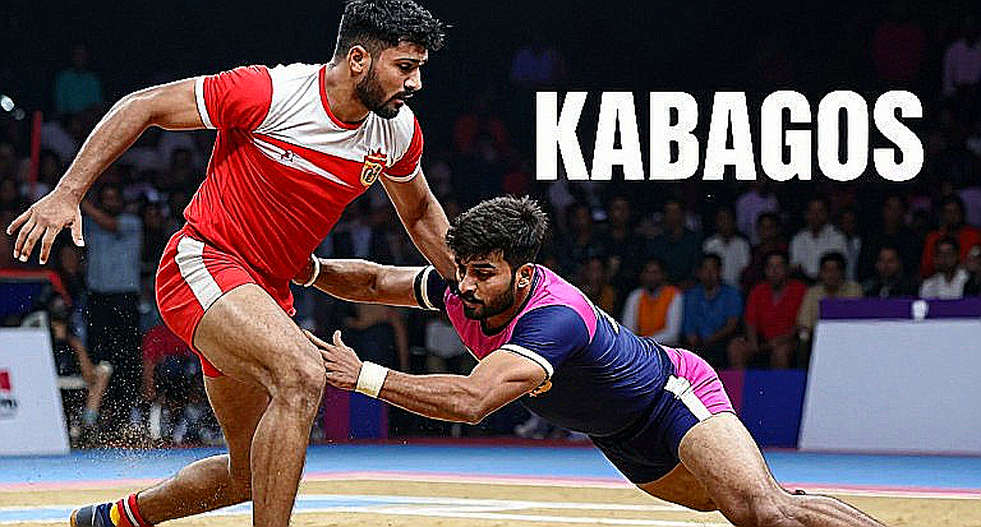
From the mud akhadas of Indian villages to the podium of the Asian Games, kabaddi is passing through its most interesting phase yet. Earlier, a raider's worth was measured by his total points; today coaches and analysts ask how many points he scored from how many raids. Volume has given way to efficiency as the currency of the sport. This is not merely a statistical fashion—it directly shapes team construction, auction strategy and match outcomes.
The debate cannot be understood without the rules. A raider must enter the opponent's half within thirty seconds and return safely after scoring. Throughout the raid he must chant "kabaddi" continuously to prove he is not inhaling; if the cant breaks, the raid is void. Crossing the bonus line in the opponent's half earns one point, but only when the defending side has six or more players on the mat. That single condition dictates decisions on both sides of the mat.
Further rules sharpen the picture. Three or more points in a single raid constitute a Super Raid, while stopping the raider through the collective effort of three or more defenders earns a Super Tackle worth two points. When an entire side is ruled out, the opponent receives two additional points and the full team revives—the All Out is the biggest swing moment in any match. And the third raid after two consecutive empty raids is the Do-or-Die raid, in which failure to score puts the raider out. These rules force constant assessment of risk and opportunity.
This is where the efficiency argument begins. A raider who accumulates a large season total usually attempts a large number of raids, so his aggregate looks impressive even when his success rate per raid is ordinary. A raider with a high success rate on fewer raids is often more valuable, because he keeps pressure on the opposition defence and reduces the number of empty raids. In a Do-or-Die situation that difference becomes decisive.
Raiding technique has changed too. Raiders once relied mainly on hand touches and kicks; the bonus line has since become a separate weapon. A bonus attempt drags the defence forward, opens space behind it and gives the raider a route back. But it carries risk—a raider who picks the wrong moment for a bonus attempt is easily tackled. Modern raiding therefore rewards speed of decision, body balance and the ability to read court positions more than raw strength.
Defence reflects the same shift. Solo tackles have yielded ground to collective tackles, because a Super Tackle delivers two points and breaks a raider's confidence. The risk, however, is that if the raider escapes, several defenders can be ruled out in a single raid and an All Out becomes imminent. A balanced defence is one that understands the difference between stopping the raider and keeping the team alive.
All of this feeds directly into squad building and the auction. Spending heavily on the basis of past points is risky, because market prices tend to rise on previous output while the real question is what a player will produce over the next two seasons. Sensible franchises therefore prioritise efficiency, fitness and clarity of role over celebrity. Dependence on a single star raider is the biggest structural risk—one injury can collapse an entire attack.
Kabaddi's roots remain in villages and akhadas. That is its greatest strength and its greatest challenge. A strong scouting network brings talent forward, but without structured fitness support, injury management and financial security, that same talent burns out early. The tradition of jobs in the railways, police and army gave players security, but in the professional league era that model alone is no longer sufficient.
Women's kabaddi is the largest unresolved part of the picture. The Indian women's team has been strong internationally, yet no domestic platform comparable to the men's league exists. The consequence is direct: when girls cannot see a viable career beyond school level, a large stream of talent drains away early. This is not only a social issue but a long-term economic risk to the talent pipeline.
Internationally, Iran has established itself as the most consistent challenger after India, while Bangladesh, Korea and parts of South-East Asia show structured efforts. The participation of overseas players in the Indian league is a two-way model—they take experience home and give the league an international character. That global spread is the first prerequisite for any Olympic ambition.
At the administrative level, stability and transparency outrank every other issue. Without smooth federation operation, strict anti-doping enforcement and a credible age-verification process, no league can build lasting trust. For kabaddi this warning is not theoretical—governance instability in several Indian sports has damaged both athletes and sponsors.
In the commercial ecosystem, concentration of broadcast and sponsorship is a structural risk. When a league's revenue depends mainly on one or two broadcasters, players and franchises lose bargaining power. Fantasy sport, digital content and regional-language broadcast expansion can reduce that dependence.
Overall, kabaddi's next phase is not about displays of strength but about maturity of thinking. Teams that invest in efficiency, balance and depth rather than the shine of totals will lead over long series. And systems that carry grassroots, women's sport and transparent administration together will take the sport to the next level. The question is not who scored the most—it is who achieved the most from the fewest opportunities.
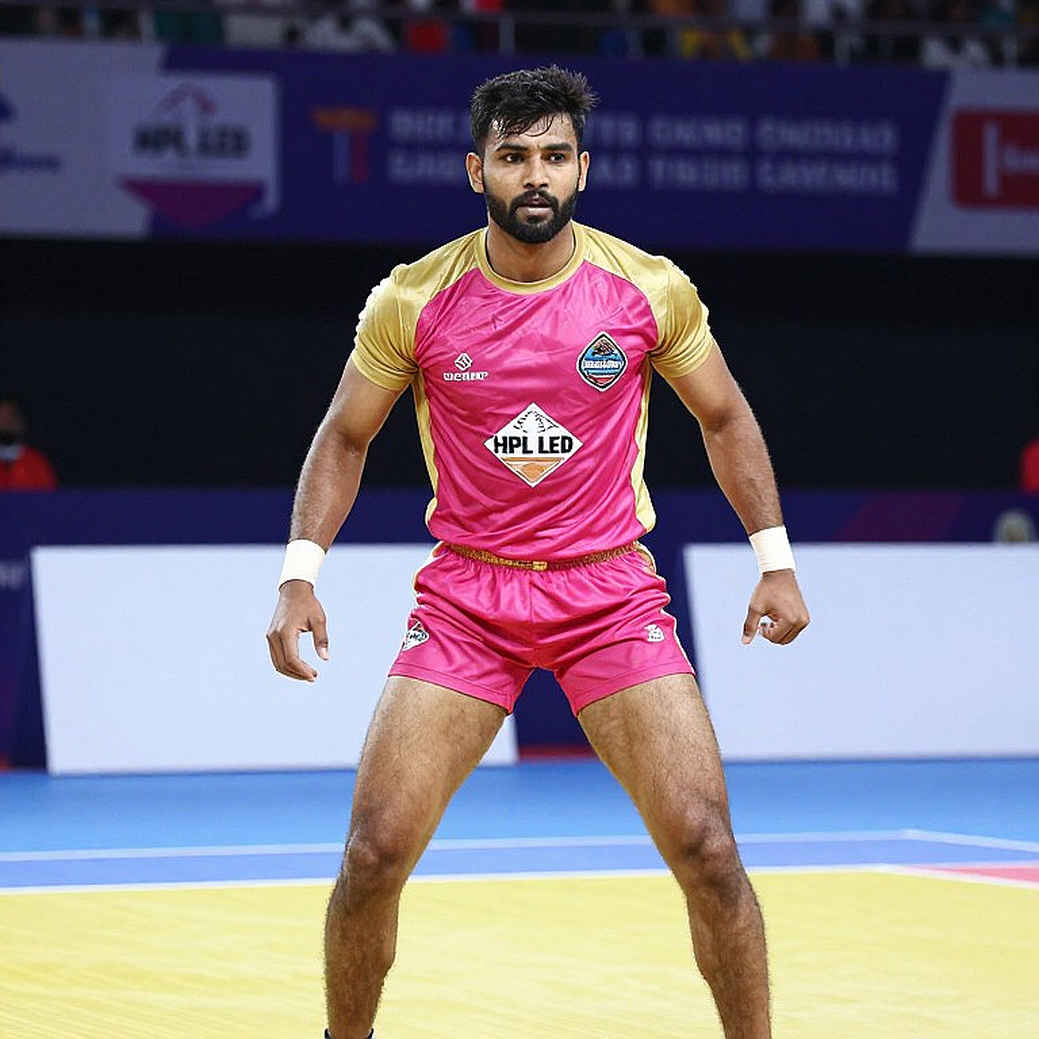
संबंधित खिलाड़ी
अनुशंसित
Kabaddi's Shifting Tide: The Question Is No Longer the Score, but the Efficiency2026-11-03
Ahead Without Playing: The Structural Anomaly in Day 1's Table at the Commonwealth Kabaddi Championship 20262026-10-25
The Empty Raid Ledger: The Cover's Half-Step Is the Column the Scoreboard Never Shows2026-10-28
Kabaddi: From Village Streets to the Global Stage, India's Traditional Sport That Built Its Own Identity2026-10-31
First Commonwealth Kabaddi Championship in Ahmedabad: 62 matches, nine days, and the ledger no press note hands you2026-10-30